Progressive Driving Lessons: Register for Our Instructor-Led Driving Program Today!
Progressive driving lessons provide a structured approach to learning how to operate a vehicle. Joining an instructor-led program can greatly develop a beginner's competence and assurance. The curriculum is carefully designed to address fundamental and complex driving methods, accommodating different skill levels. Being aware of what these lessons entail can make all the difference. There are several key components that foster productive learning and exam preparation.
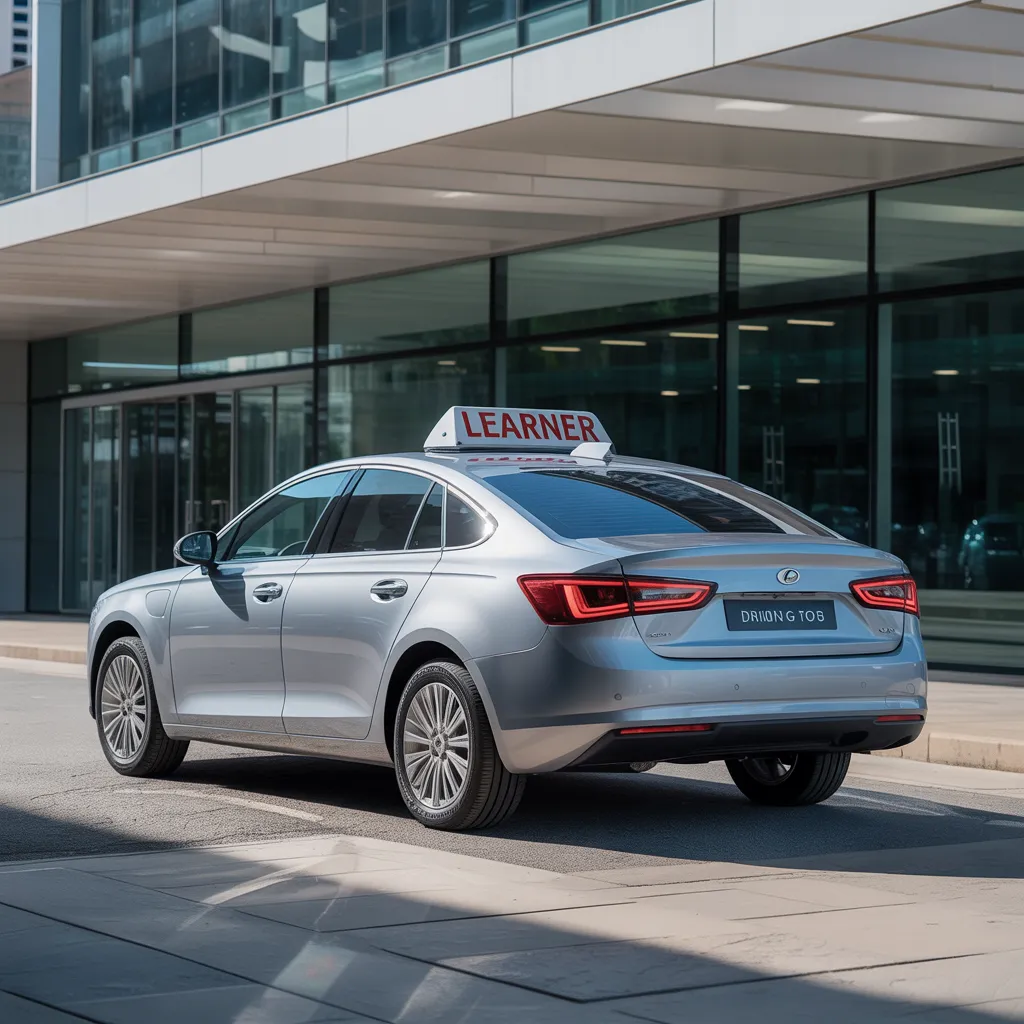
What Happens During Your First Driving Class
As soon as a student starts their initial driving course, they may feel a mix of anticipation and nervousness. The classroom environment, usually shared with fellow students, creates the foundation for a transformative experience. Teachers typically start with introductions, outlining the course structure and safety procedures. Students can look forward to receiving educational materials, including guides and reference sheets, which will function as helpful resources throughout their learning journey.
The primary emphasis is primarily on familiarizing students with vehicle controls, basic road signs, and key traffic regulations. Instructors may also emphasize the importance of maintaining a calm demeanor behind the wheel. Pupils are prompted to ask queries, creating a positive learning environment. Following the classroom instruction, most sessions incorporate hands-on practice, where Driving School students become familiar with the car in a safe environment. This integration of theoretical and practical training readies learners for the road ahead, building self-assurance as they set out on the path to becoming responsible and capable drivers.
Driver Training Curriculum: Beginner to Advanced
A thorough driving curriculum encompasses a advancement from essential skills to advanced techniques, ensuring that learners acquire a strong base before addressing more complex road situations. At the outset, students practice core vehicle operation, including directional control, deceleration, and throttle control. They learn key driving laws, road markings, and responsible driving habits, delivering a thorough understanding of the rules of the road.
Once students show competence in these fundamental skills, the course moves forward to more advanced techniques. This covers maneuvering across multiple terrain types, managing adverse weather conditions, and mastering defensive driving techniques. Additionally, students become familiar with highway driving and complex intersections, strengthening their capability to make quick decisions under pressure.
Within the program, teachers highlight the value of awareness of surroundings and accountable driving conduct. This structured approach prepares students not only to succeed in their driving examinations but also to develop into skilled and assured drivers in a range of driving situations.
Developing Confidence as a New Driver
Novice drivers commonly struggle with developing their self-assurance while driving. The initial experience of driving can be overwhelming, with numerous tasks to manage and a constant need for focus. To help reduce stress, beginner drivers can gain from steady, hands-on experience across different driving scenarios. Starting in low-traffic areas allows them to develop basic skills without the pressure of more complex environments.
Practicing regularly is vital; the more time spent driving, the more familiar and comfortable they become with their vehicle and surroundings. Additionally, enrolling in expert-led driving classes offers structured learning and professional guidance, fostering a sense of security. Positive reinforcement from instructors and supportive peers can also enhance a new driver's self-esteem. With practice and improvement, beginner drivers will notice their confidence building, converting driving from a difficult undertaking into a more pleasurable and empowering journey.
Preparing for Your Driving Test
How can a new driver best prepare for their driving test? Preparation is essential for success. To begin with, getting acquainted with the vehicle is crucial. New drivers should make certain they know how to operate all controls, including lights, wipers, and signals. Additionally, rehearsing techniques like parallel parking, three-point turns, and lane changes will improve their abilities.
Furthermore, studying the regional driving laws and guidelines can give important guidance into what the examiner will expect. Arranging a trial examination with a qualified driving instructor can replicate the real test conditions, which can help ease nerves.
Finally, ensuring all necessary documents are in order, such as the provisional permit and identification, is vital. By adhering to these guidelines, new drivers can tackle their driving test with self-assurance, increasing their likelihood of passing on the first attempt.
Popular Questions About Driving Lessons
What do aspiring drivers need to understand prior to beginning lessons? Many individuals have common questions regarding the driving lesson process. First, they often wonder about the age requirements; most regions mandate that students be at least 16 years old to obtain a learner's permit. Another frequent inquiry concerns the duration of lessons; as a rule, each session is around one to two hours long, varying according to the student's skills and individual needs.
Future drivers regularly seek information regarding the costs associated with their lessons. Prices can vary widely based on where you live and the experience of your instructor. In addition, many ask whether they should bring their own vehicle; nearly all driving schools offer cars equipped with dual controls for the safety of students.
Finally, students often inquire about the training program. Comprehensive sessions generally address essential driving skills, traffic laws, and safety guidelines, making sure students are fully equipped for both their driving test and real-world driving situations.
What Makes Expert-Led Driving Lessons a Great Choice?
Why opt for professional driving lessons rather than casual instruction? This comes down to the quality and overall effectiveness of the training offered. Professional instructors have in-depth knowledge of driving methods, traffic regulations, and safety procedures, ensuring that learners receive thorough education. They follow a structured program that enhances skills in a gradual manner, enabling learners to more effectively comprehend difficult driving concepts.
Additionally, lessons led by experts often incorporate practical situations, equipping students to manage different driving environments with competence. Qualified instructors can give individualized critiques and improvements, which are essential for developing safe driving habits. Furthermore, their professional knowledge empowers them to personalize sessions to personal learning preferences, maximizing retention and skill acquisition.
In addition, experienced instructors generally keep up with up-to-date guidelines and innovations in driving education, guaranteeing that their instruction aligns with contemporary standards. Such commitment makes instructor-led driving lessons the preferred choice for anyone looking to become a competent driver.

Common Questions and Answers
At What Age Can I Begin Taking Driving Lessons?
In most cases, students can initiate taking driving lessons at the age of 16, though certain areas permit students to start at 15. It's necessary to verify regional rules regarding age eligibility requirements for driving instruction.
Do You Offer Driving Lessons on Weekends?
Driving instruction is frequently available on weekends, catering to various schedules. A large number of driving schools understand the popularity of weekend lessons, providing students with the opportunity to learn at their own pace without clashing with weekday duties or responsibilities.
Is It Possible to Use My Own Vehicle for Driving Lessons?
Students are often permitted to bring their personal vehicles for learning to drive, provided the vehicle meets safety requirements and is in good working condition. Instructors frequently support this practice to ensure familiarity and comfort throughout the lessons.
What Happens if I Miss a Class?
Should a student miss a class, it may be necessary for them to reschedule or complete a makeup session. Rules surrounding attendance are not uniform, so it's advisable for the student to check with the instructor concerning any applicable penalties or alternatives.
Do You Provide Tuition for Automatic and Manual Vehicles?
Yes, the curriculum offers instruction for both manual and automatic cars. Individuals can opt for their preferred transmission type, ensuring they are provided with tailored instruction that suits their individual driving needs and preferences for skill development.